Understanding Leg Ulcers: The Basics
Leg ulcers are serious wounds that can be difficult to heal, particularly when caused by conditions such as
deep vein thrombosis (DVT) and
venous insufficiency. These ulcers often emerge due to poor blood flow, leading to skin breakdown and prolonged healing times. Understanding the root causes can empower you to take actionable steps towards healing.
Why Do Leg Ulcers Occur?
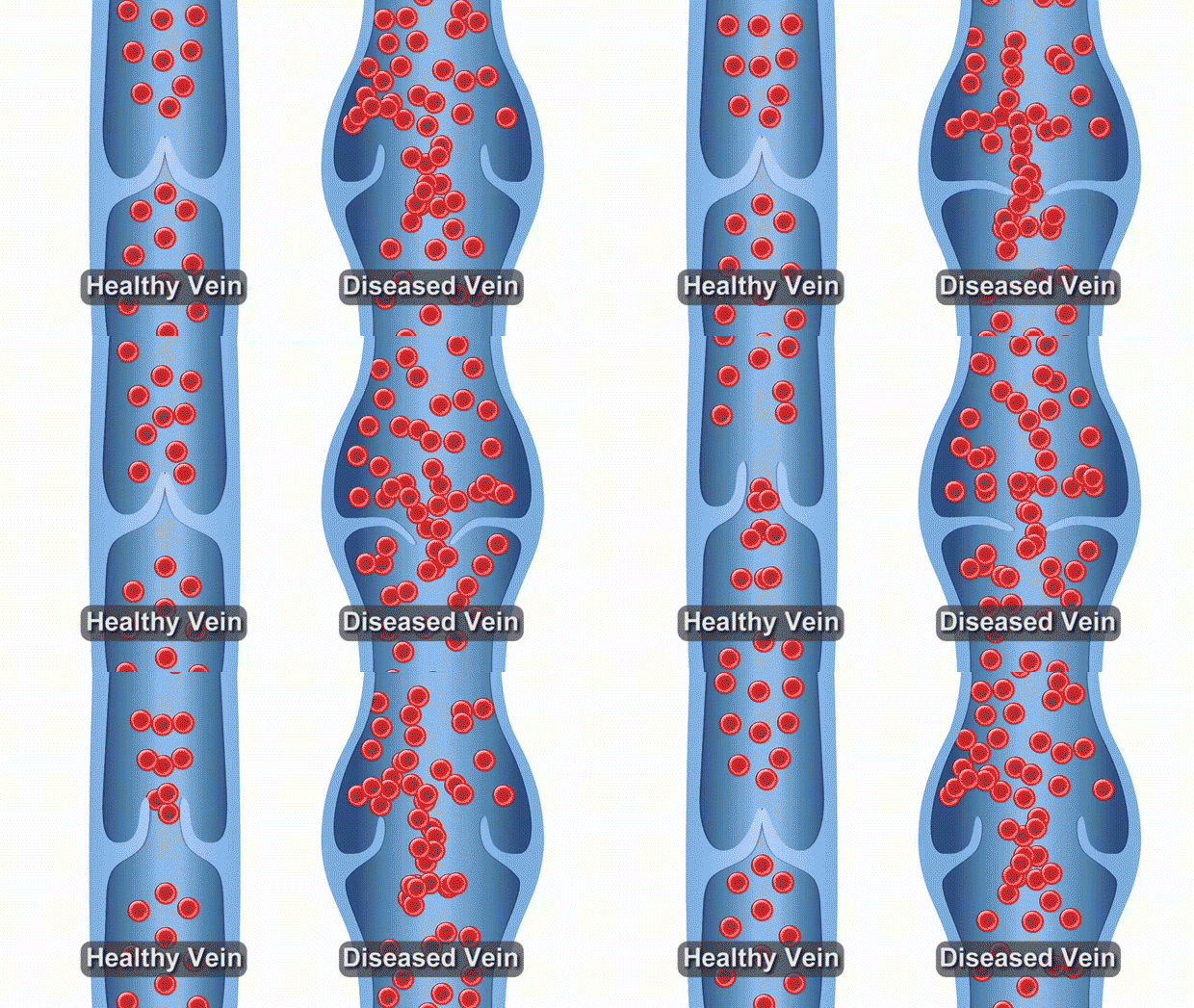
- Poor Return Circulation in the Legs: Gravity pulls blood toward the lower legs. Healthy vein valves stop this but standing for long periods or damaged valves allow blood to pool, reducing circulation and causing ulcers.
- Deep Vein Thrombosis (DVT): A condition where blood clots form in the deep veins of the legs, affecting blood flow by damaging valves.
- Venous Insufficiency: Weakness in the veins that leads to improper blood flow, causing increased pressure and swelling that in turns stretches the veins making the valves fail.
Practical Healing Strategies
Your journey to healing can be effective with a combination of proper care and support. Here are some strategies:
1. Proper Wound Care
Keeping the ulcer clean and properly dressed is crucial for healing. Follow these wound care steps:
- Clean the ulcer gently with saline or a prescribed cleanser.
- Apply an antibacterial ointment if advised by a healthcare provider.
- Dress the wound using appropriate bandages that keep the area moist and protected, changing them as instructed.
2. Compression Therapy
Compression therapy is essential for managing venous ulcers. It helps improve blood circulation and reduce swelling. Here’s how to get started:
- Consult with your healthcare provider to determine the appropriate type of compression bandages, stockings and foam.
- Increase compression around the ankles and on top of any open ulcer under the bandage or compression stocking using latex foam.
- Apply the compression garments properly, ensuring they fit snugly without being too tight.
- Wear compression garments consistently, especially during the day.
3. Sclerotherapy
A system of injecting irritating material inside a vein to close it down to improve circulation.
- Consult with your doctor to see if this is right for you.
- He will use a doppler machine to hear if a vein valve is damaged.
- they will mark the vein then raise it above your heart and inject the fluid with a needle.
4. Lifestyle Changes
Adopting healthier lifestyle habits can significantly impact your healing journey:
- Quit Smoking: Smoking can hinder blood circulation, slowing down the healing process.
- Exercise Regularly: Low-impact exercises like walking, swimming, or cycling can enhance circulation.
- Weight Management: Maintaining a healthy weight reduces the pressure on your veins.
Monitoring and Long-Term Management
To prevent recurrences of leg ulcers, long-term management is vital. Follow these tips:
- Regular check-ups with your healthcare provider to monitor your leg health.
- Stay proactive in following up on any changes to your symptoms.
- Educate yourself about DVT and venous insufficiency to recognize early warning signs.
Conclusion
Healing leg ulcers requires a comprehensive approach that includes adequate care, lifestyle changes, and consistent monitoring. By employing these strategies, you can significantly improve your chances of healing and maintaining healthy legs. Remember, knowledge and proactive action are your best allies in this journey toward recovery.