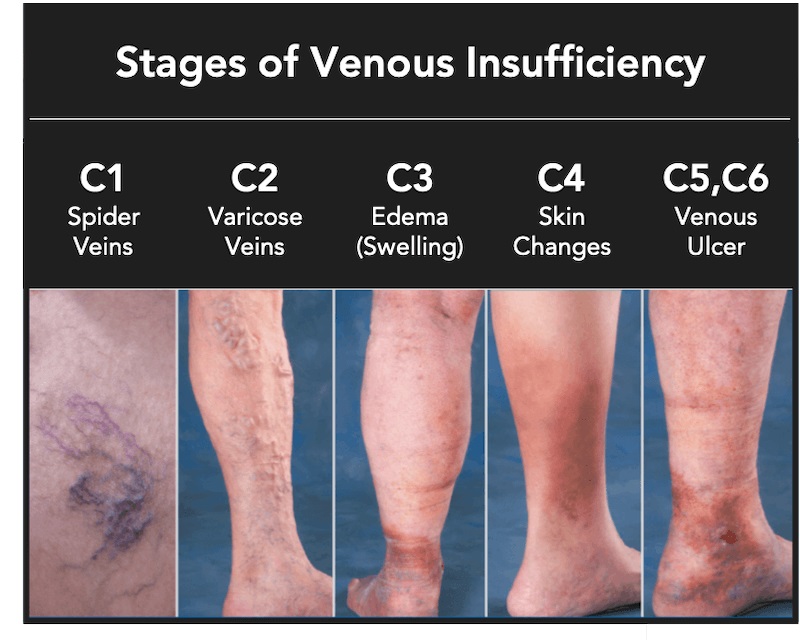
What Causes Venous Leg Ulcers (VLUs)?
Venous Leg Ulcers are primarily caused by a condition called Venous Hypertension—chronically high pressure within the veins of the lower leg. This is not a circulation problem to the leg (arterial), but a problem of blood returning from the leg to the heart.
The Breakdown: Faulty Valves
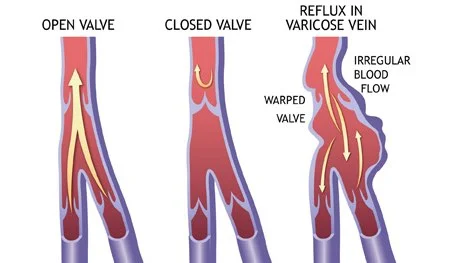
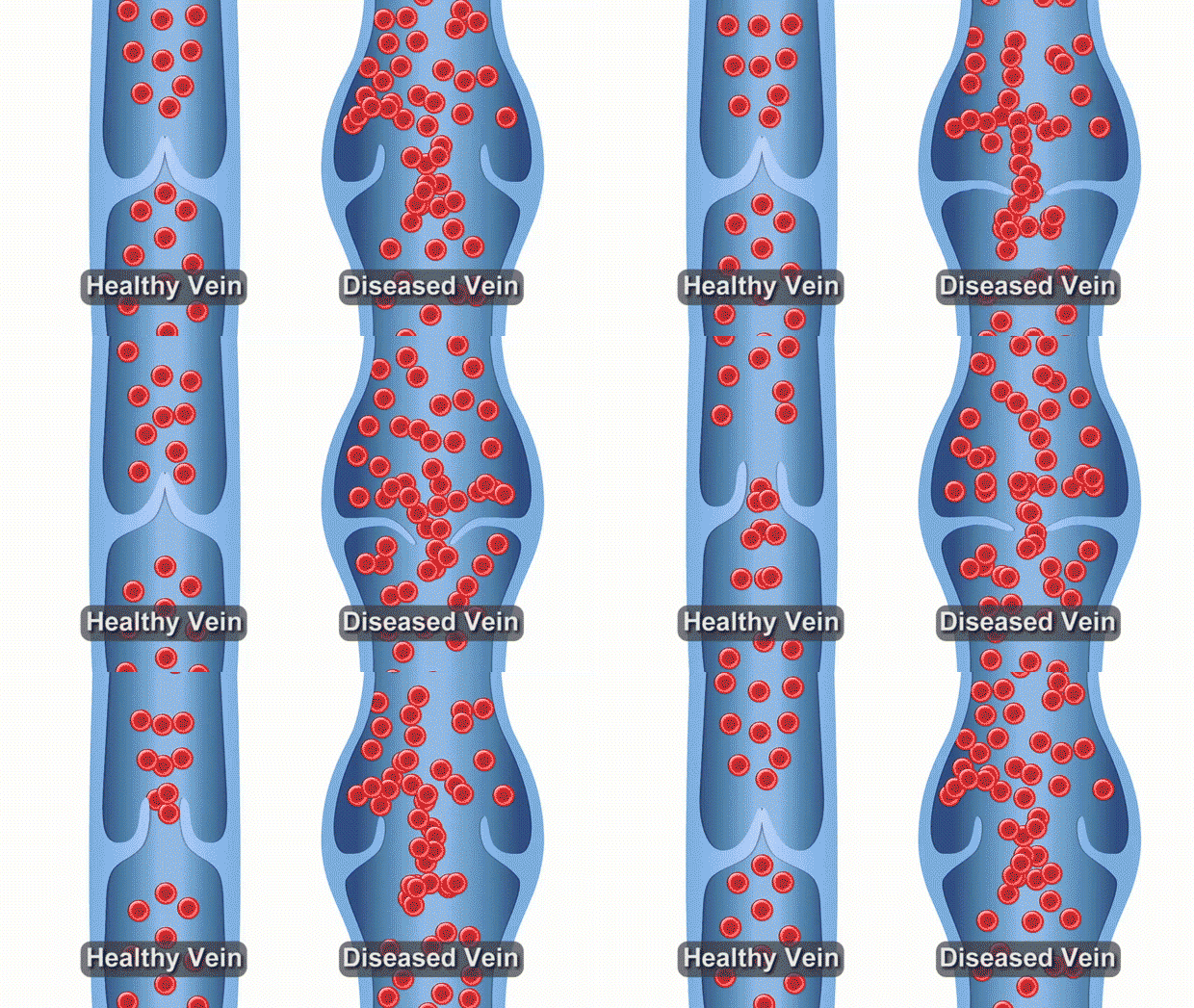
1. Incompetent Valves: Veins contain one-way valves that prevent blood from flowing backward due to gravity. Over time, these valves can become damaged or "incompetent."
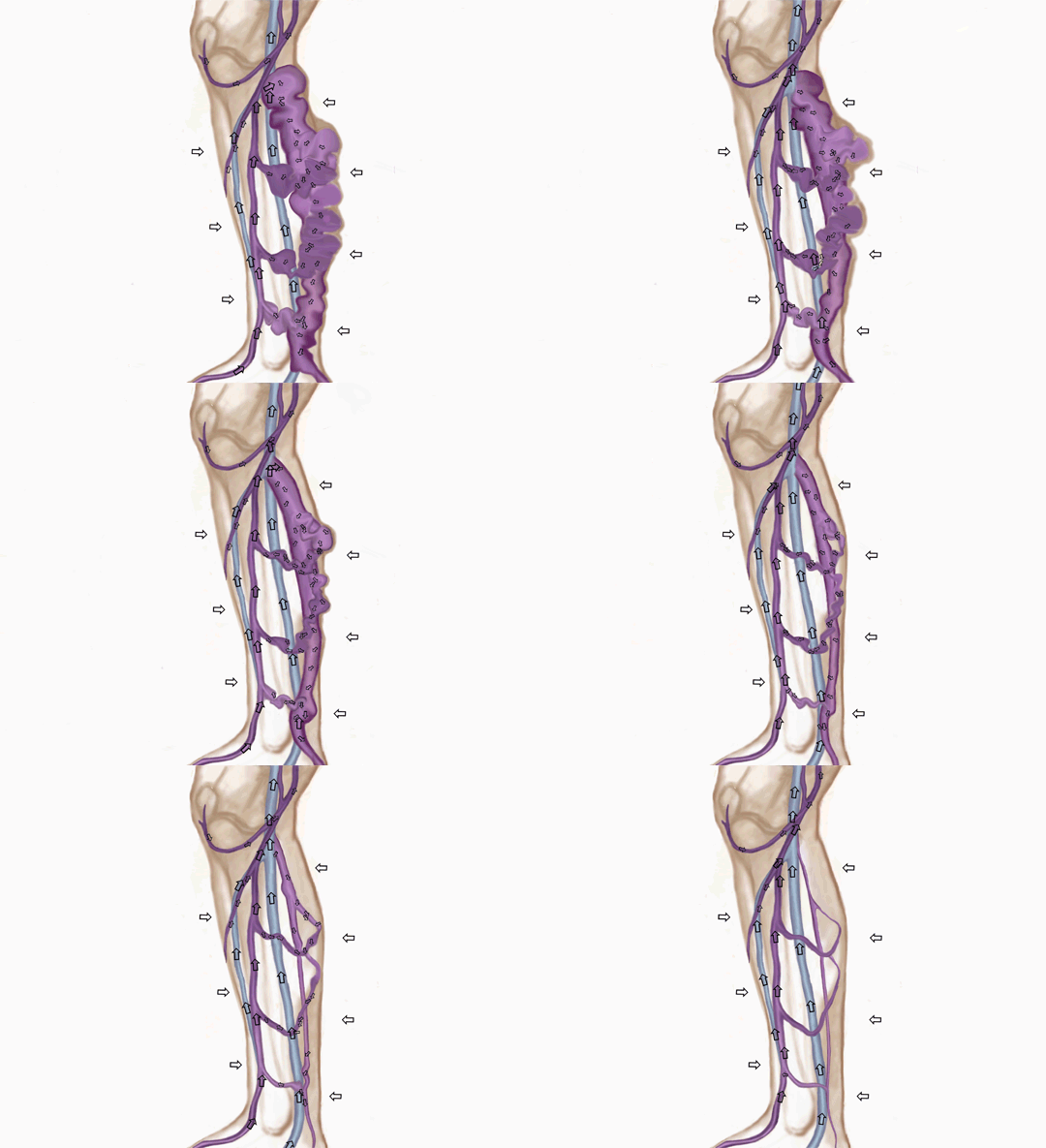
2. Blood Reflux: When valves fail, blood leaks backward (reflux) and pools in the lower leg, particularly around the ankle.
Pressure Spike: This pooling causes the pressure inside the veins to skyrocket (Venous Hypertension). This high pressure forces fluid and essential nutrients to leak out of the vessels and into the surrounding tissues.
3. Tissue Starvation: The resulting massive swelling (edema) starves the skin and tissue, leading to a breakdown that forms a painful, chronic open wound: the Venous Leg Ulcer (VLU).
The Solution: Effective VLU treatment, like the Sladen-Reid Vascular Pump, must directly address and counteract this underlying venous hypertension at the ulcer on the Leg or ankle.
Get Our Free Guide!
7 Steps to Accelerate Leg Ulcer Healing at Home.
Get A Free Comprehensive Guide to Managing and Healing Leg Ulcers and Join our Newsletter to hear about newest treatment options!
How To Heal Leg Ulcers
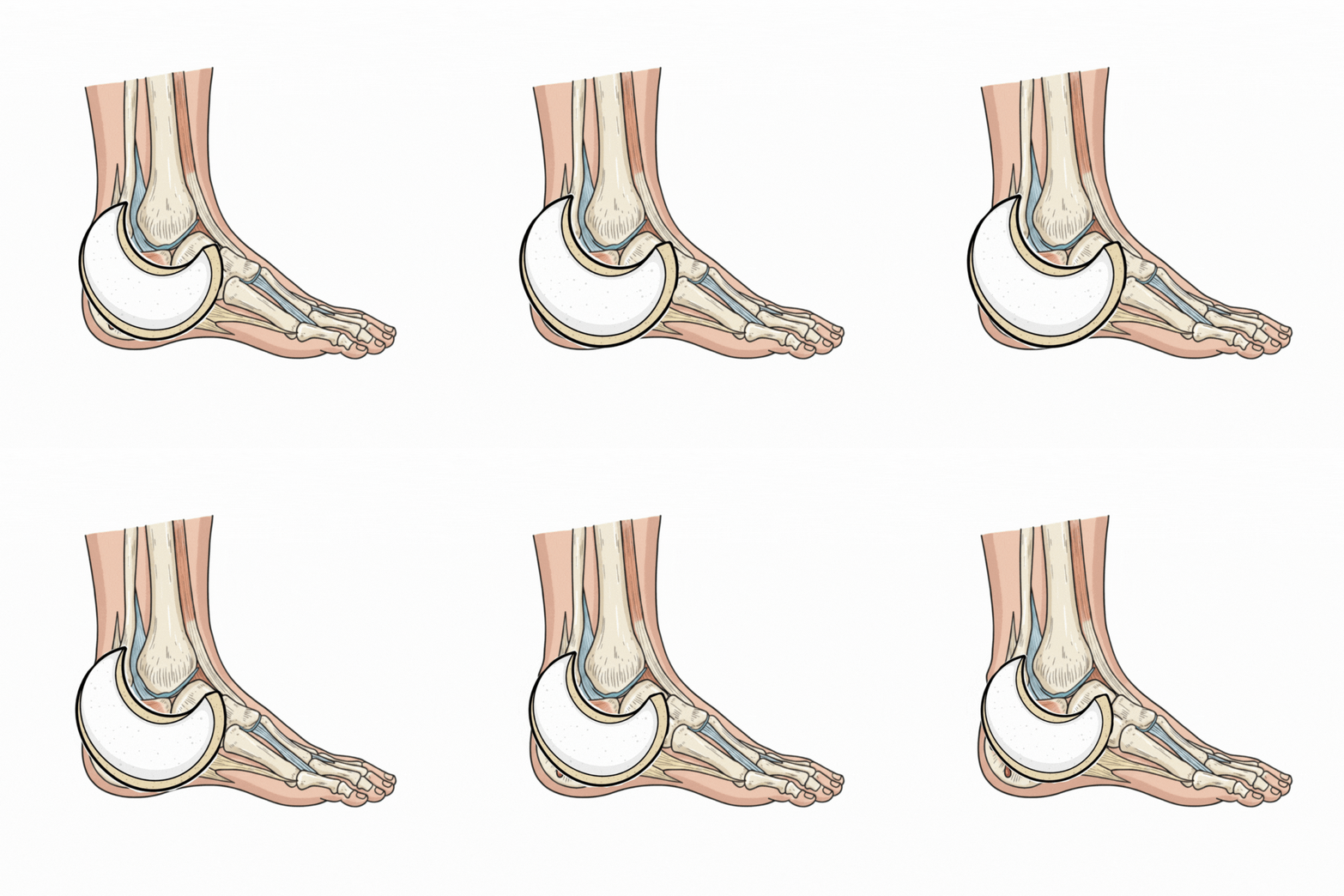
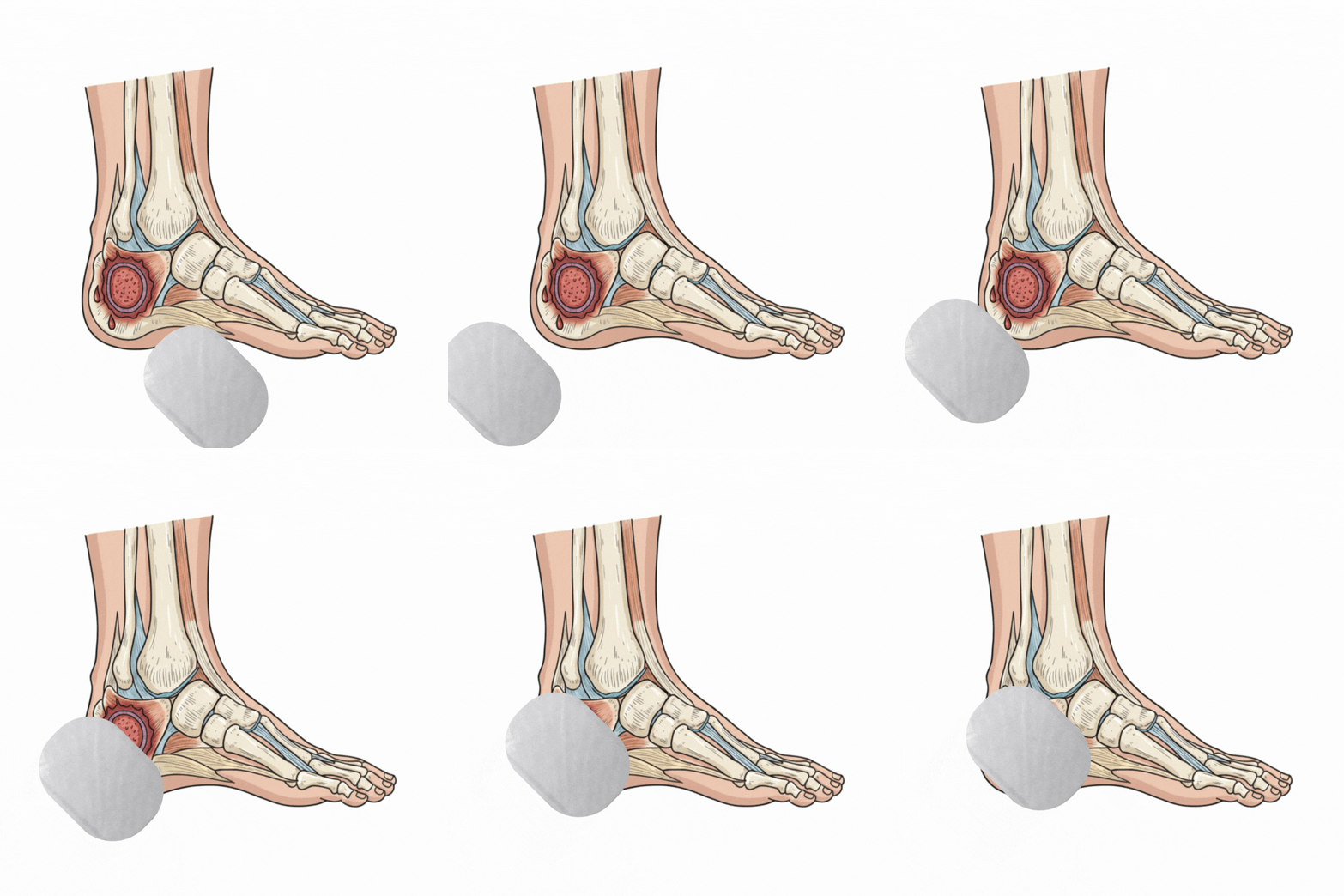
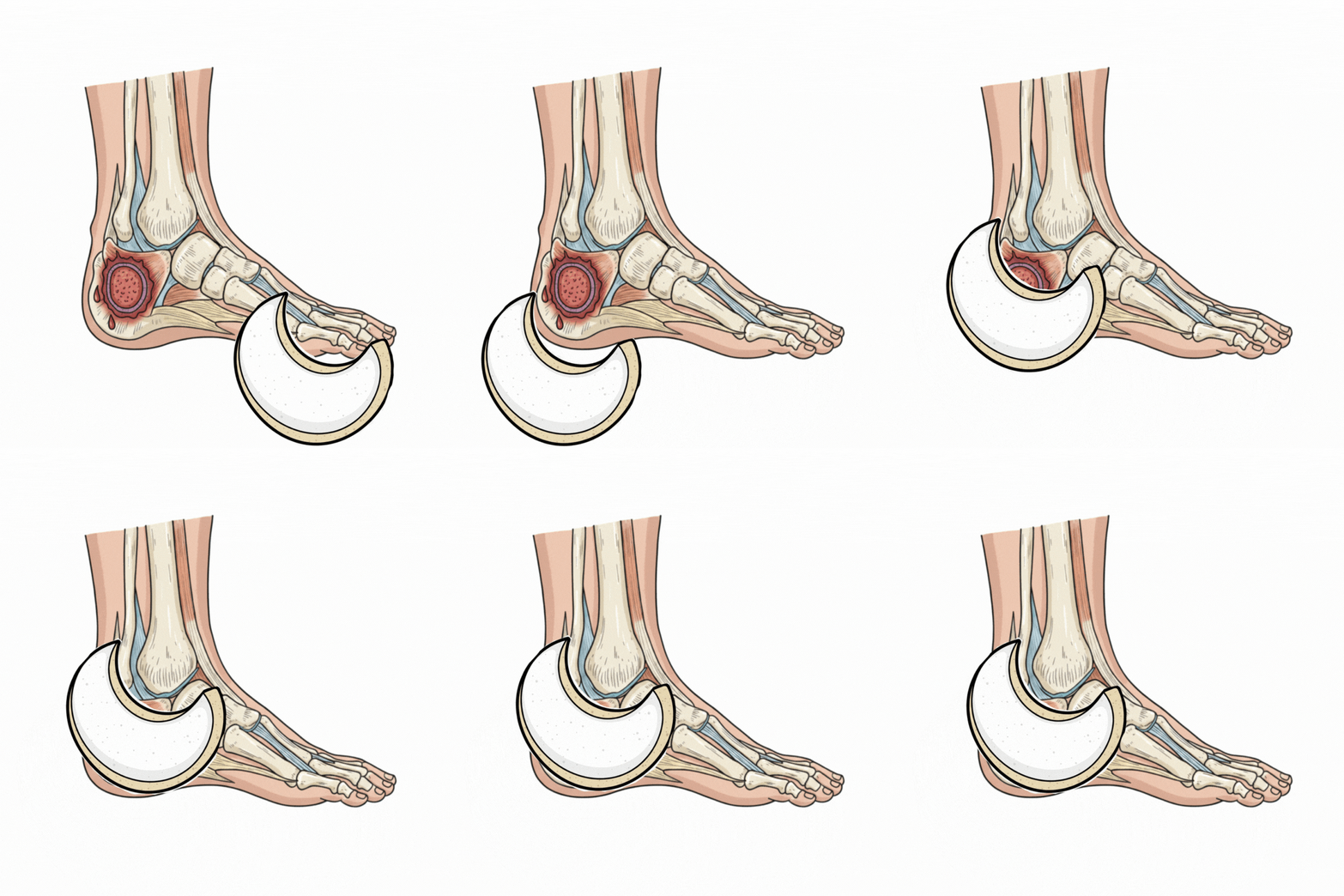
 Step-by-Step Guide: Applying the Sladen-Reid Vascular Pump
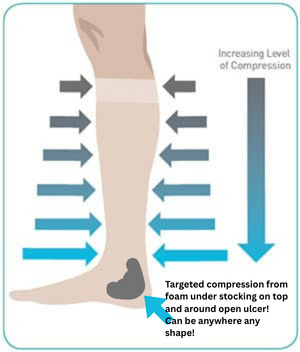
This technique utilizes a high-density, 1.5-inch foam to generate highly focused and effective compression, directly addressing the venous hypertension that causes Venous Leg Ulcers (VLUs). This method should be performed by a healthcare professional or an informed caregiver trained in compression bandaging techniques.
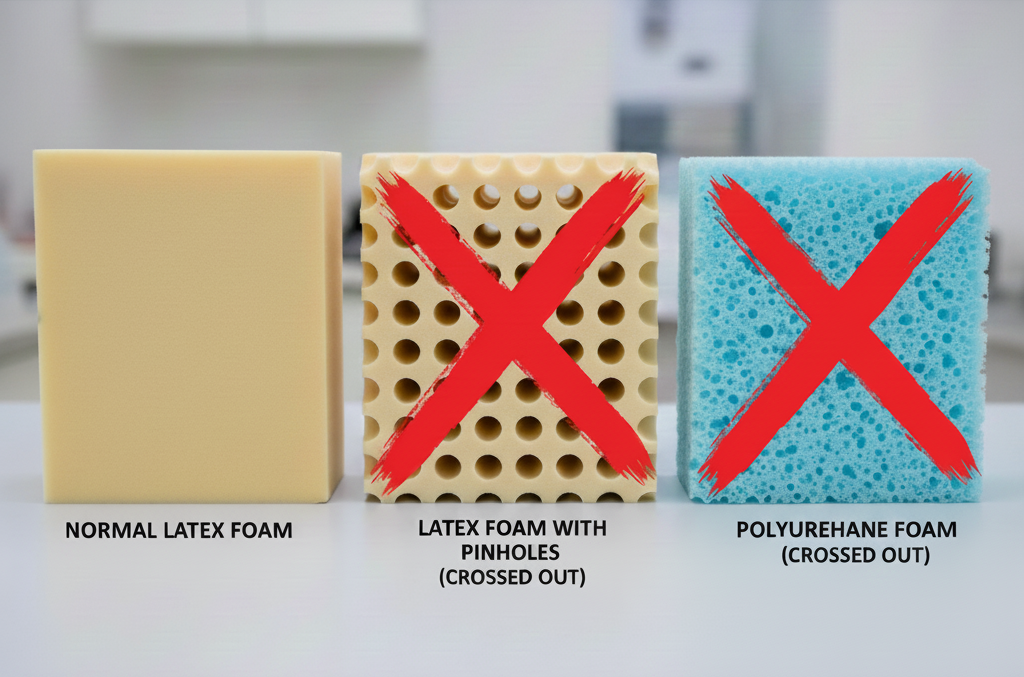
Get the Right Foam Padding
The latex foam padding (solid, without pillow/mattress pinholes) must be a very firm, thick, soft, and comfortable material, custom-shaped to cover the ulcer and swelling. Its role is to deliver localized, therapeutic pressure without causing pain—unlike harsh cottons. Crucially, most polyurethane foams compress too easily to achieve the vital, focused pressure necessary for ulcer healing. Need some Latex foam? Make sure you get foam with no holes. Have Questions? Contact us below!
Get Free Foam!
Surgeon, Doctor, Caregiver ......
Like to try this method? We will send you foam for free! Send us a text and we will put some in the mail for you! Can't find foam, contact us!
Important Information
From new procedures to easy ways to put on compression stockings, hopefully you will find it here!
Foam sclerotherapy is a minimally invasive procedure where a medicated solution is mixed with air to create a "shaving cream" consistency, which is then injected into diseased veins. This foam displaces the blood to ensure maximum contact with the vein walls, causing them to collapse and eventually be absorbed by the body.
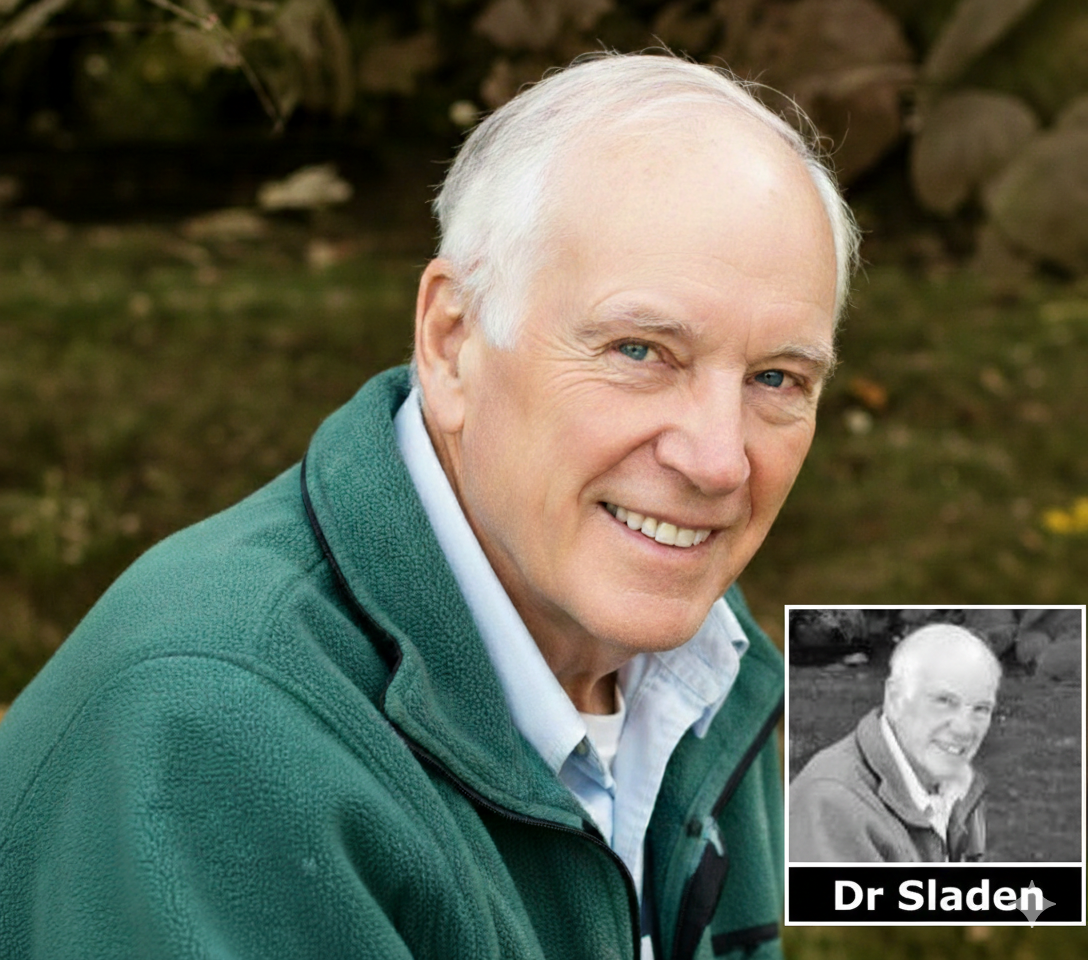
Dr. Joseph G. Sladen, MD, FRCSC (1929–2016)
Dr. Joseph G. Sladen was the former, highly distinguished Head of the Division of Vascular Surgery at St. Paul's Hospital in Vancouver, and a Professor Emeritus at the University of British Columbia (UBC).
Key Role: Dr. Sladen was the pioneer of the foam compression concept, recognizing the need to overcome venous hypertension with targeted, high-density pressure.
Leadership: He was a respected figure who led the division for many years and served as President of both the Canadian Society for Vascular Surgery and the U.S. Society for Clinical Vascular Surgery.
Your Heading
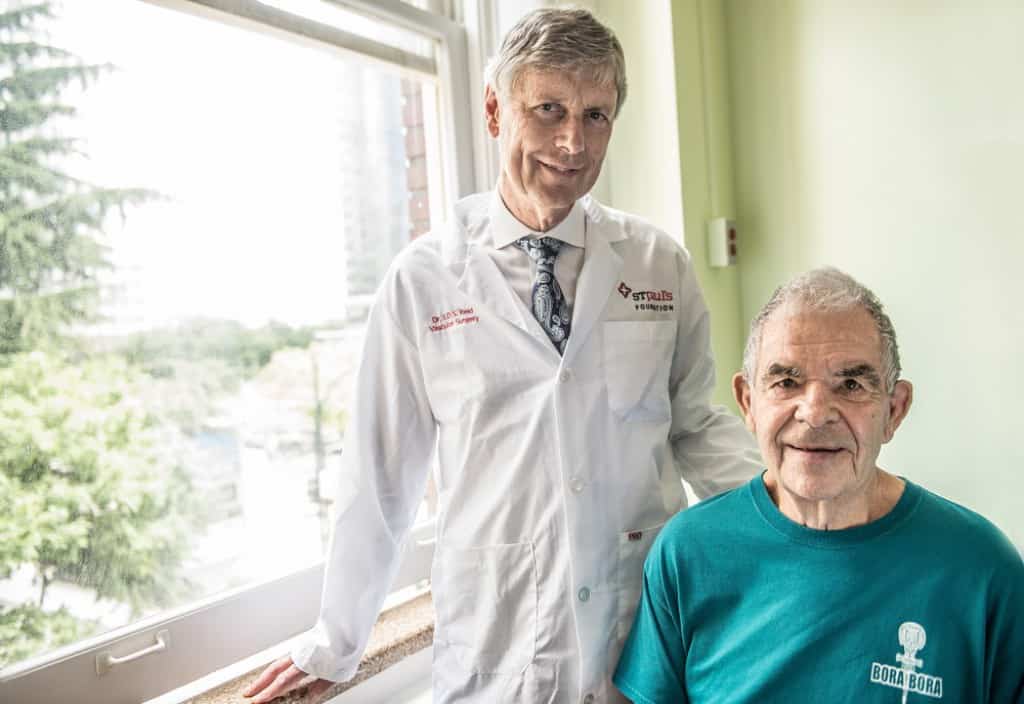
Courtesy of ST.Pauls Foundation
Dr. John D. S. Reid, MD, FRCSC, FACS
Dr. John D. S. Reid is a highly respected Clinical Professor and Vascular Surgeon with the Division of Vascular Surgery at St. Paul's Hospital in Vancouver.
Key Role: Dr. Reid worked closely with Dr. Sladen to develop, refine, and prove the efficacy of the Vascular Pump technique, ensuring its implementation and continued use in patient care.
Expertise: He is an active member of the surgical staff at St. Paul's Hospital and his clinical interests include complex vascular conditions and trauma, demonstrating the expertise he brought to creating this simplified, yet highly effective, compression method.
Your Heading
Testimonials from Our Community
⭐️ Patient Testimonial: Ron's Story
I met Dr Sladen in 1976. He was my savior!
he said that he would heal them no problem. All he did was clean the ulcer, covered it with large bandage, cut and shaped a piece of foam and placed it directly on the ulcer, wrap my ankle with a tensor bandage.
"Think I would believe him? NO! Yet it healed in under 2 weeks!"
All he did was clean the ulcer, covered it with large bandage, cut and shaped a piece of foam and placed it directly on the ulcer, wrap my ankle with a Gauze bandage, and put a compression stocking over it all. I could not believe it!
"Simple Foam Healed a Four-Year Old Persistent Ulcer"
I have used this foam for over 40 Years with success at keeping my venous ulcers closed!
they have changed my life! Thanks To both Dr Sladen and DR Reid!
Your Heading
"Thanks to the guidance provided on this site, I've learned how to manage my leg ulcers effectively and share my journey with others who are also struggling."

"The resources and community support helped me regain hope and make informed decisions about my care. Thank you!"

"This site has been a lifeline for understanding my condition and finding ways to heal. I feel much more empowered now!"

"With the strategies I have learned, I am confident I can maintain my health and prevent future ulcers."

"The community support and educational resources have made such a difference in my care approach."